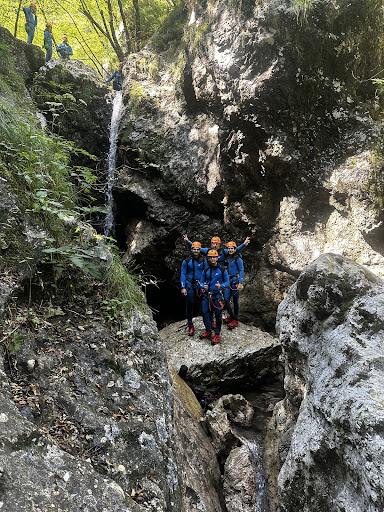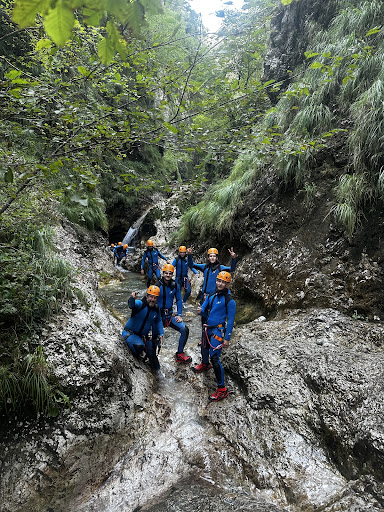
The Definitive Guide to Exploring Nature’s Wildest Water Parks
Table of contents
- The Definitive Guide to Exploring Nature’s Wildest Water Parks
- What Do You Actually Do When You Go Canyoning?
- What to Wear for Canyoning
- What Shoes are Best for Canyoning?
- Proper Canyoning Equipment
- Is Canyoning an Extreme Sport?
- Is Canyoning Suitable for Beginners?
- Why Do People Go Canyoning?
- How Safe is Canyoning?
- What is the Weight Limit for Canyoning?
- What to Know Before Canyoning?
- What is the Hardest Part of Canyoning?
- Environmental Impact: Keeping the Canyons Wild
- Best Canyoning Destinations in the World
What is canyoning? If you’ve ever looked at a rugged river gorge carved into a mountain and wondered, “Could I follow that water all the way down?”, you have stumbled upon the essence of this incredible sport. Canyoning (also known as canyoneering in the US) is not just hiking, and it’s not just swimming; it is a dynamic, multi-disciplinary adventure sport that involves navigating down a fast-flowing mountain stream in a deep gorge using a variety of techniques.
It is the ultimate way to immerse yourself—quite literally—in nature’s most hidden and spectacular landscapes. If you are looking to trade a dusty hiking trail for emerald pools, thundering waterfalls, and slick rock slides, read on. This guide will answer every question you have about what canyoning is, what gear you need, and where to find the best experiences in the world.
What Do You Actually Do When You Go Canyoning?
In the simplest terms, canyoning is just following a mountain river from the top all the way down to the bottom. But because these rivers flow through deep, steep rocky gorges, you can’t just walk along the grassy bank. You have to get into the water.
To get down the river, you do whatever the terrain requires. Sometimes you are walking on rocks, sometimes you are swimming through pools, and when you reach a waterfall, you either slide down it, jump off it, or use a rope to lower yourself down. It is essentially hiking, swimming, and climbing all combined into one adventure.
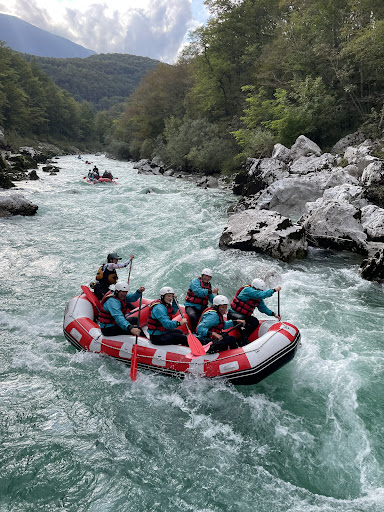
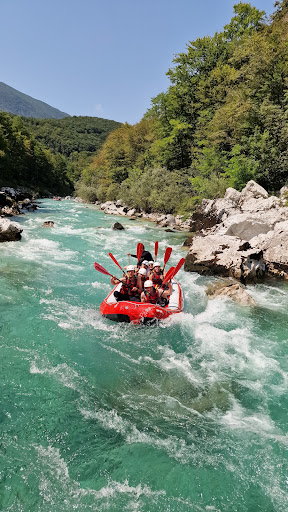
Canyoning is Not Canoeing or Kayaking
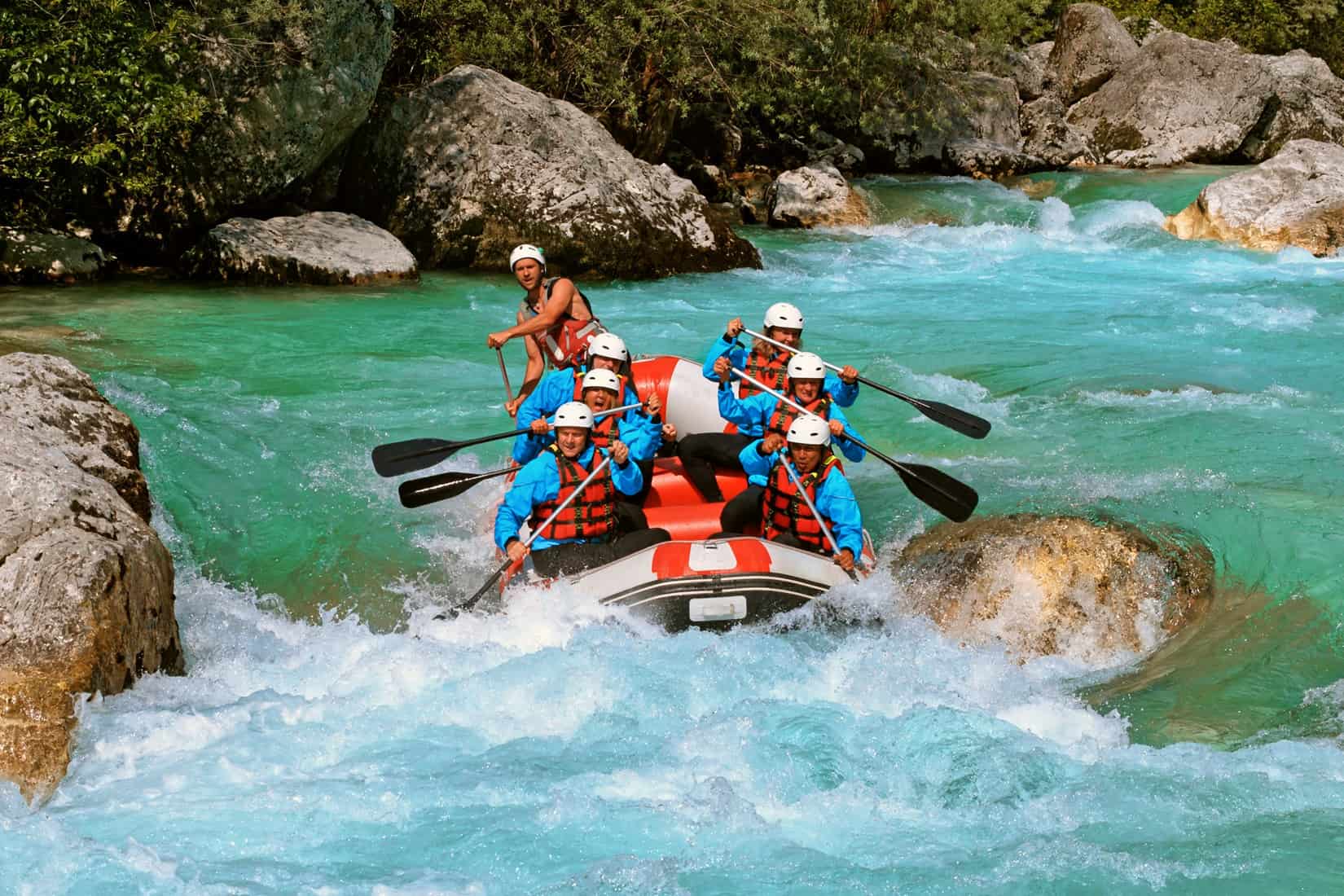
Before we go further, we need to clear up the most common confusion. Because the words sound similar, many people book canyoning and arrive expecting a boat.
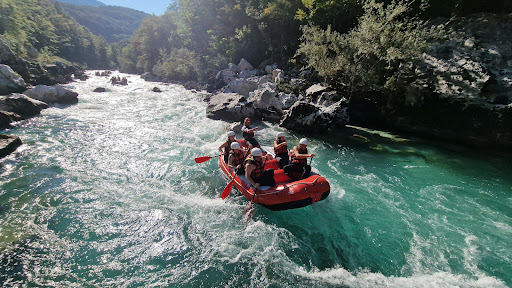
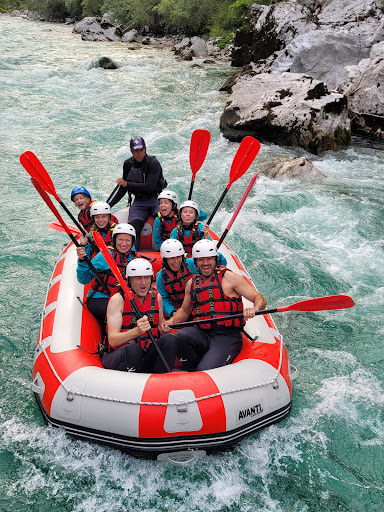
There are no boats in canyoning.
- Canoeing/Kayaking: You sit in a boat and use a paddle to navigate the water.
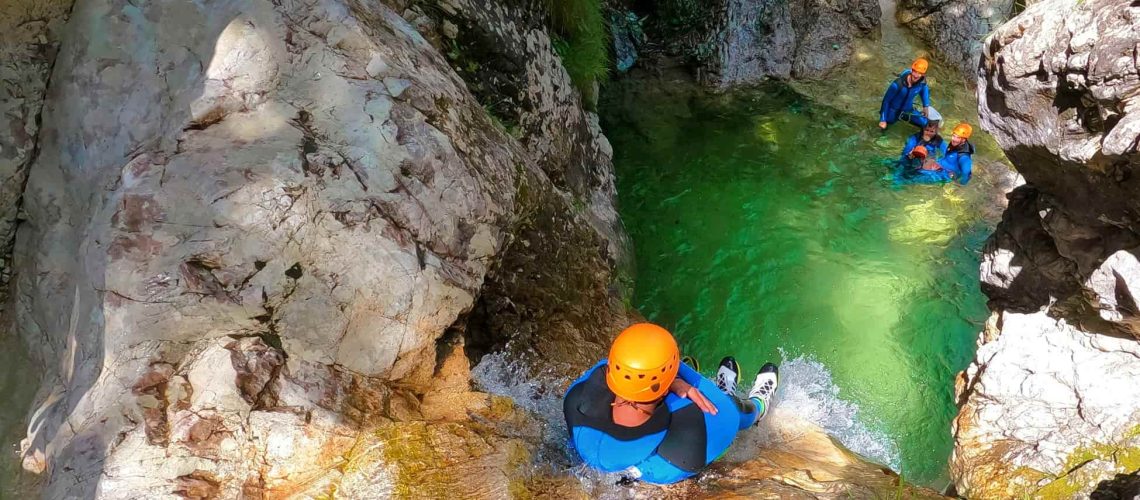
- Canyoning: You are the boat. You are wearing a wetsuit and a helmet, and you are physically in the water, using your hands and feet to navigate the obstacles.
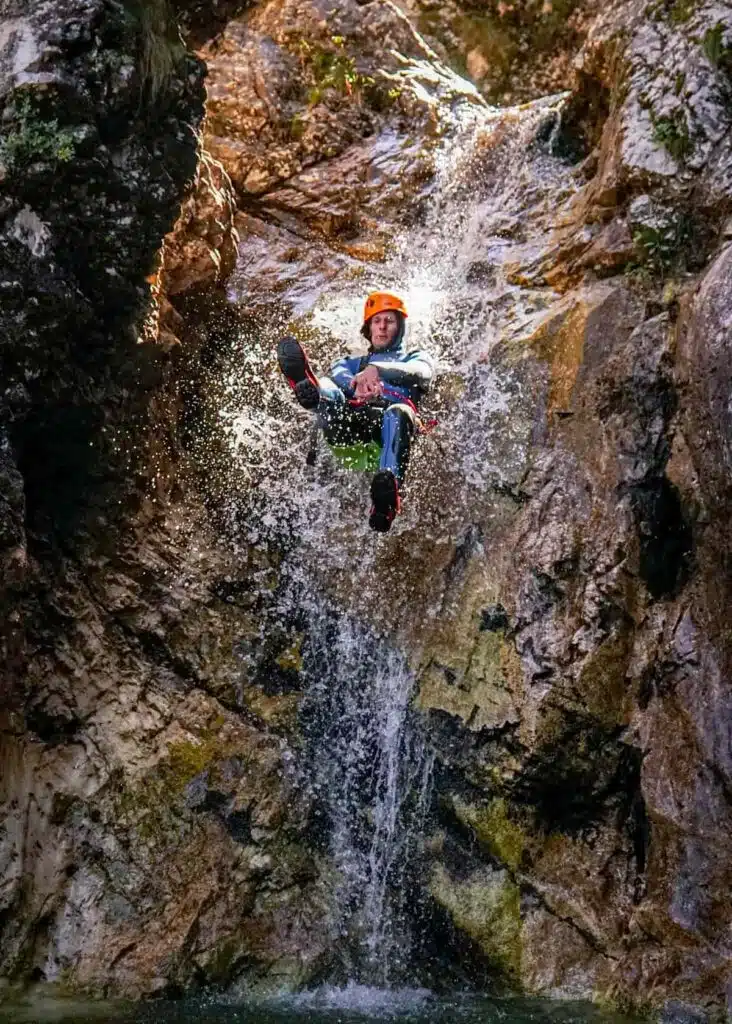
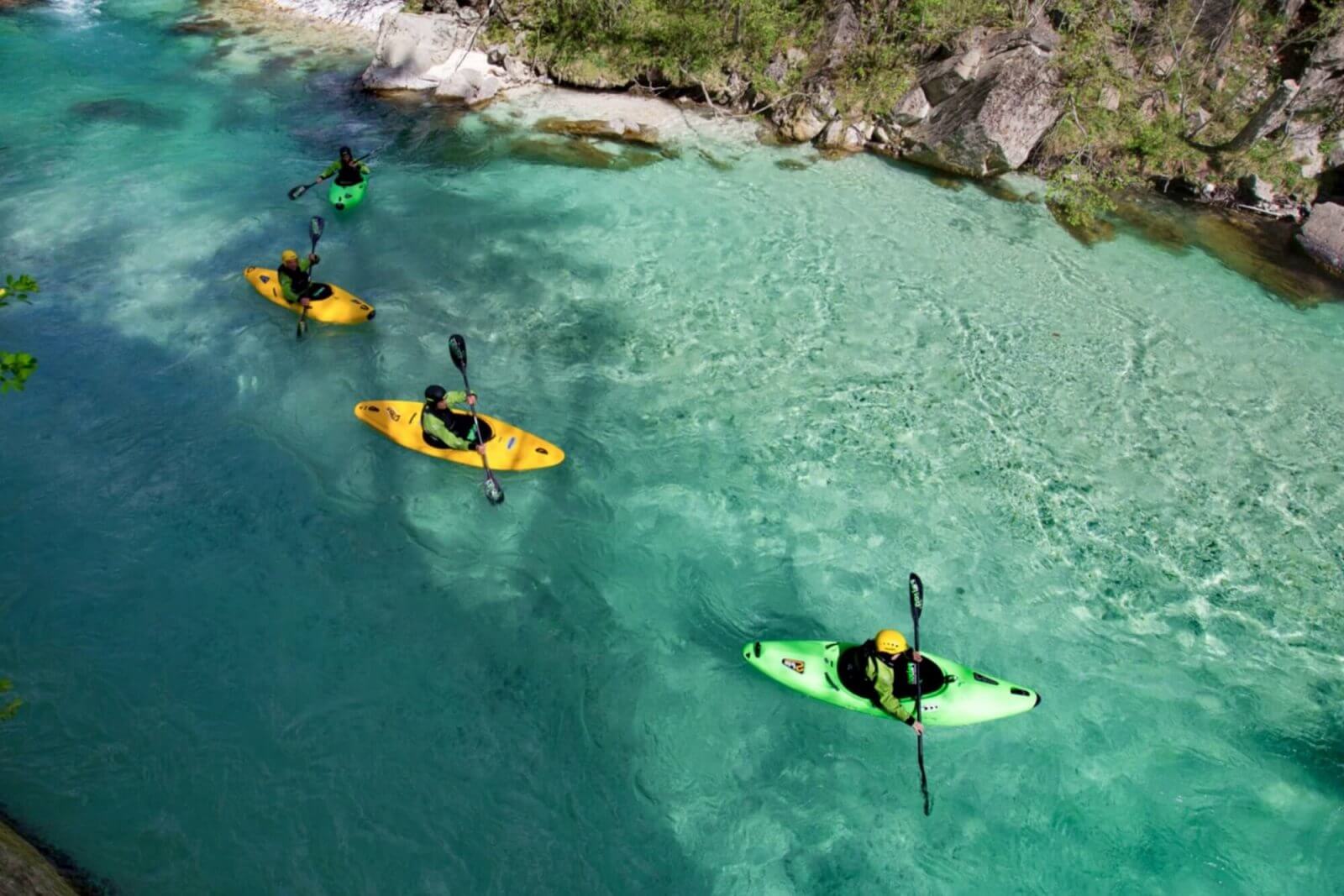
As you can see above, the difference between the two sports people often confuse is pretty obvious. A typical canyoning tour involves a combination of the following techniques:
1. Walking and Scrambling
A significant portion of canyoning involves navigating uneven, wet, and often slippery terrain. You will be scrambling over boulders, wading through shallow currents, and hiking along the riverbanks between obstacles. On top of that, you usually need to hike to the top of the canyon first. At this point you might be wondering why anyone would even go canyoning in the first place. But wait – there’s more.
2. Swimming in the most amazing places
When the canyon narrows into deep pools, swimming is essential. You must be comfortable swimming in deep water. The neoprene wetsuit you wear provides significant buoyancy, making swimming easier, but basic swimming ability is a must in most of the canyons.
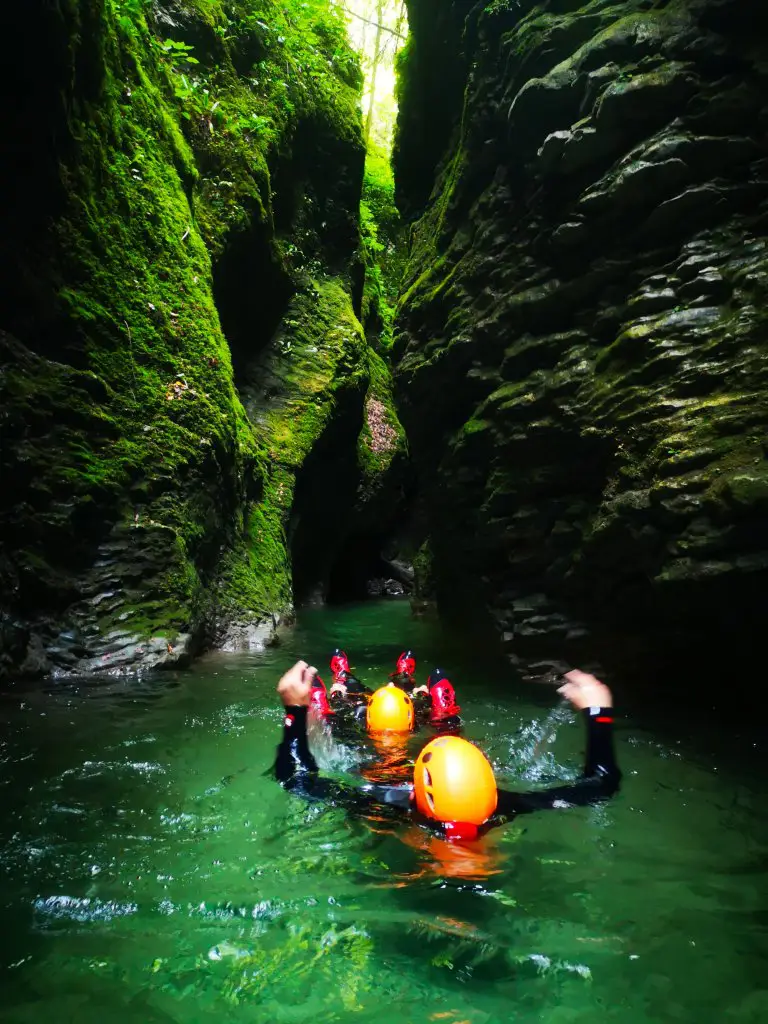
3. Sliding (The Fun Part!)
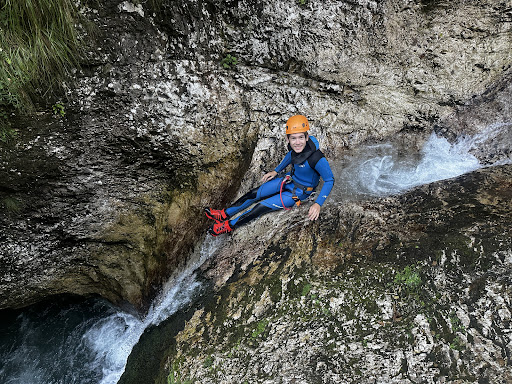
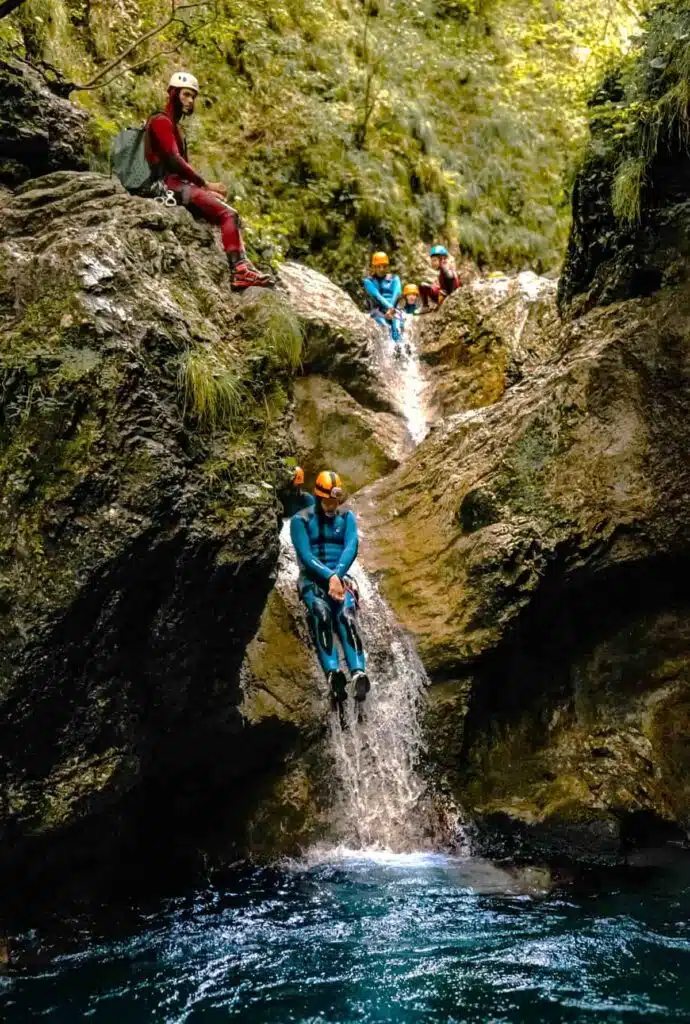
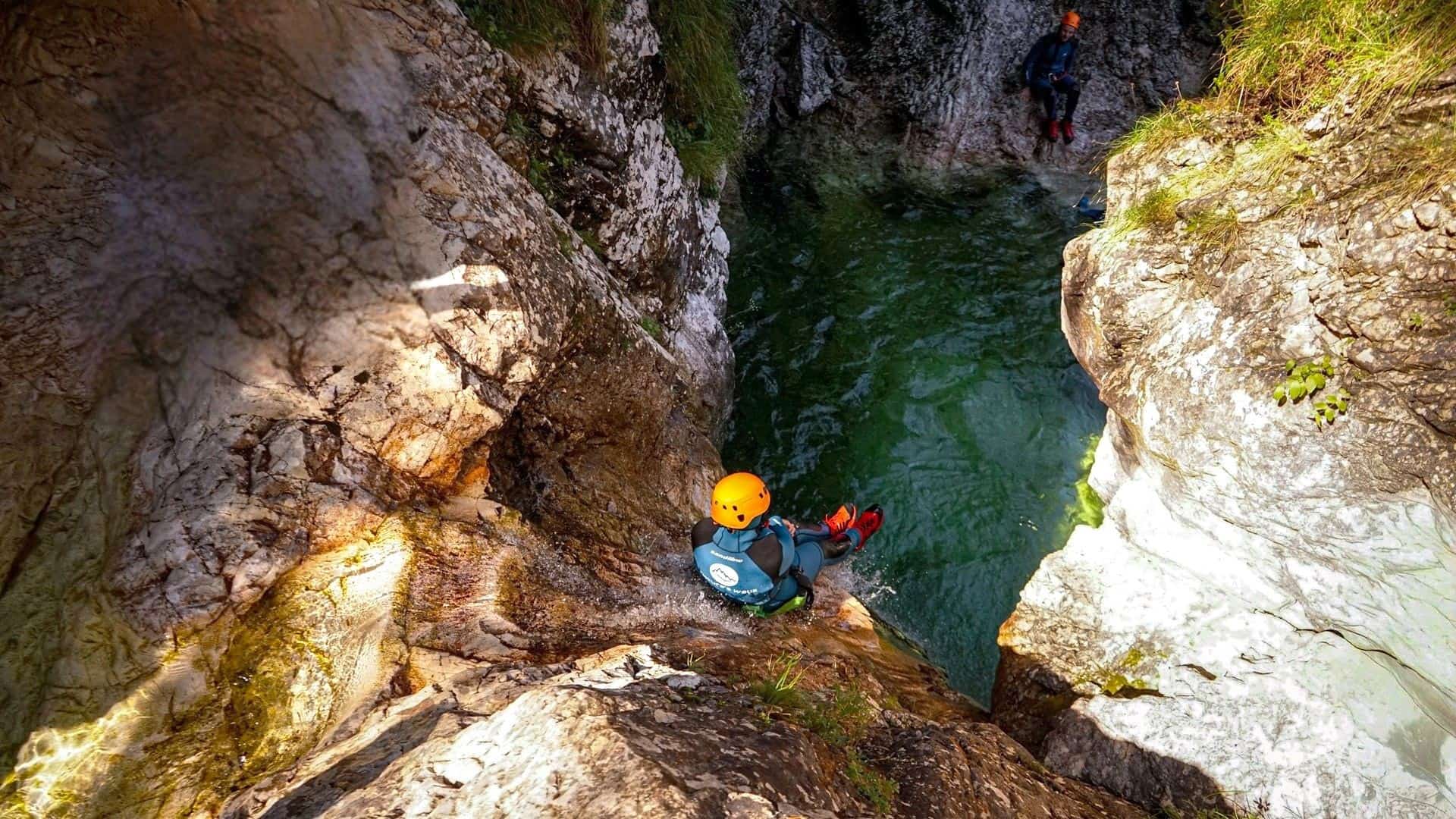
Over thousands of years, water polishes rock into smooth, natural slides. One of the most enjoyable parts of canyoning is sliding down these natural toboggans into deep pools of water below.
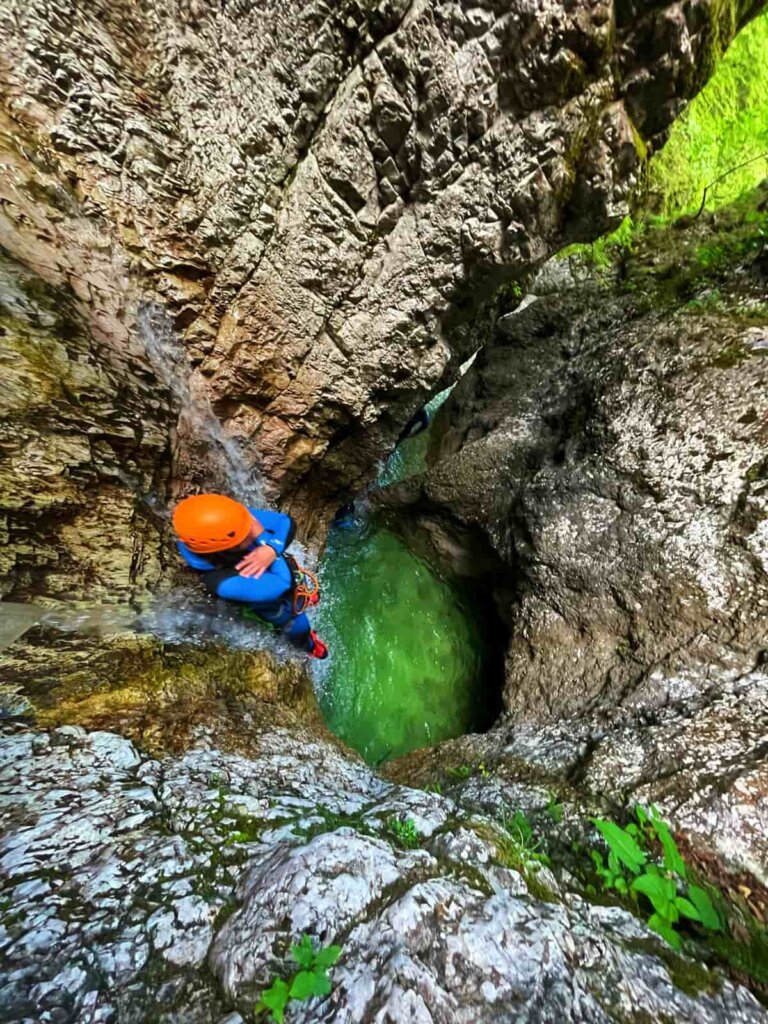
4. Jumping (The Adrenaline Part!)
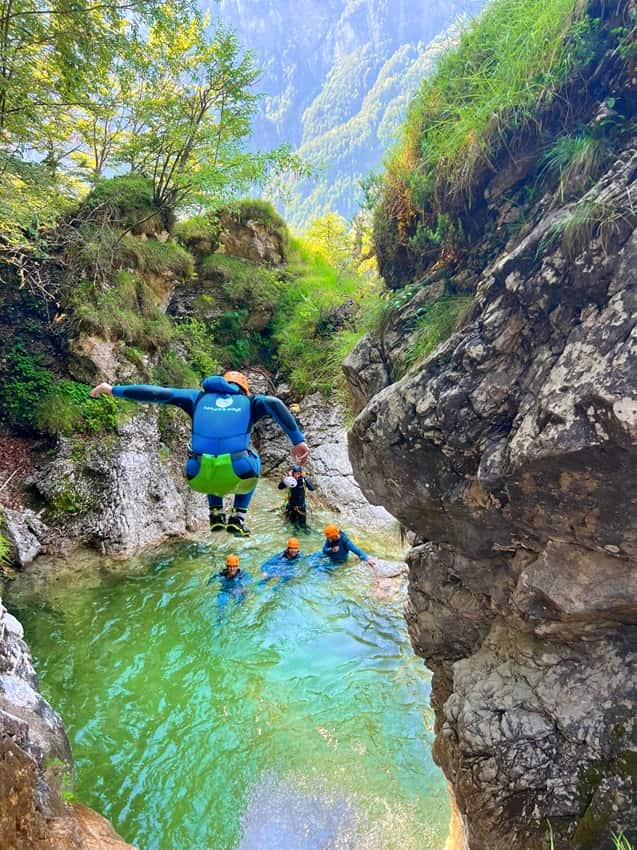
Canyons often feature vertical drops into deep pools that are perfect for jumping. Heights can range from easy 2-meter hops to heart-stopping 10-meter leaps (depending on the difficulty level of the tour you choose).
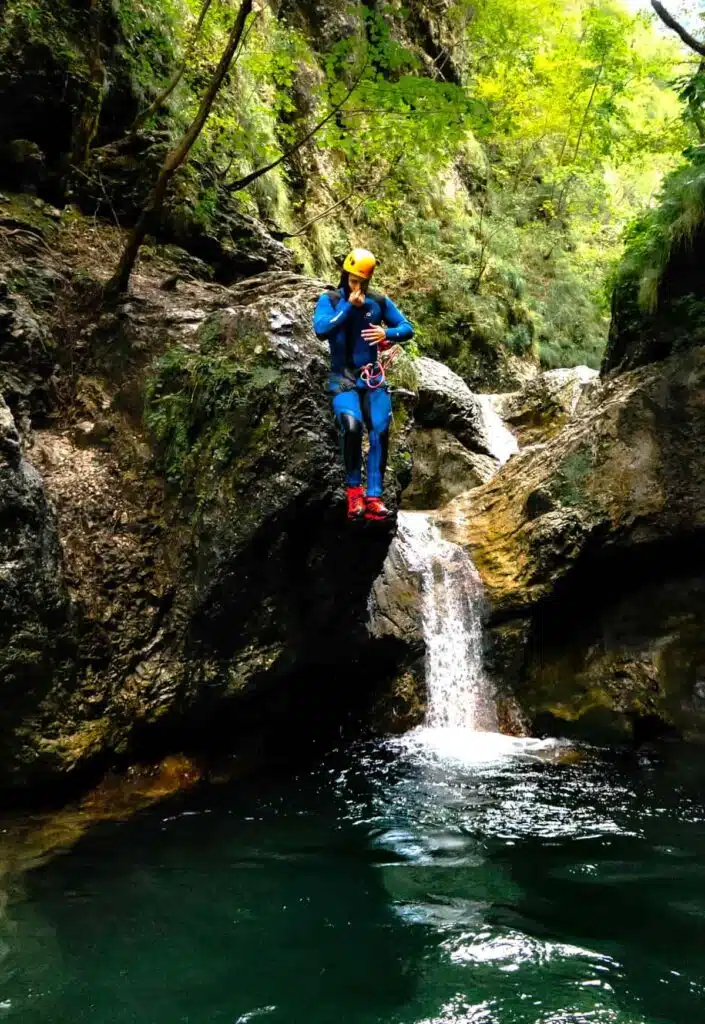
5. Rappelling/Abseiling (The Technical Part!)
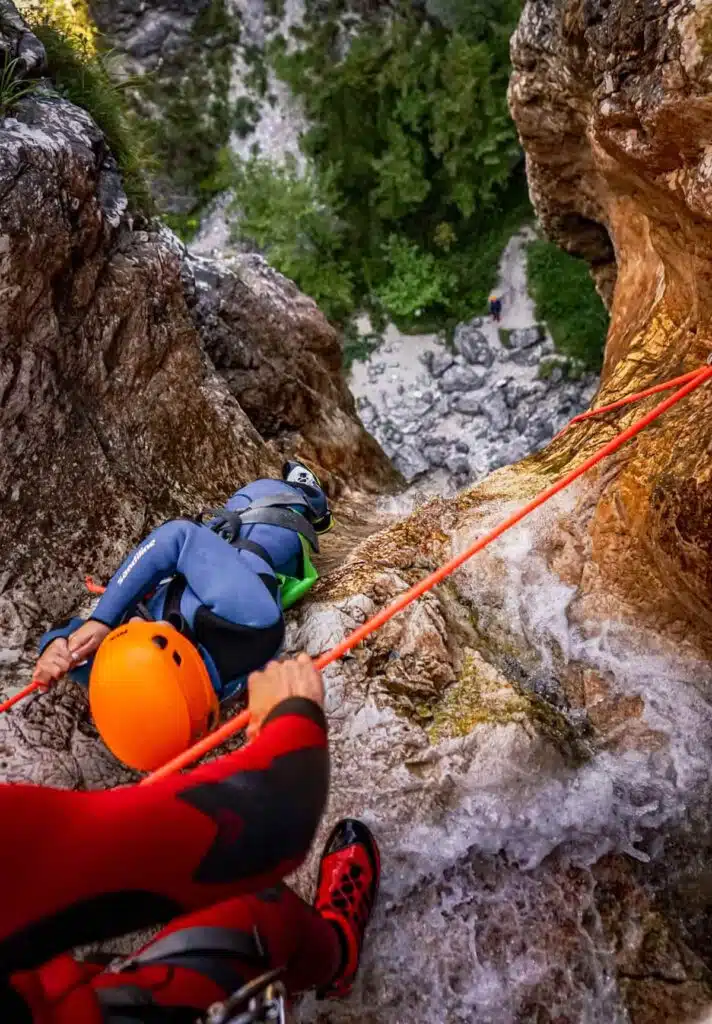
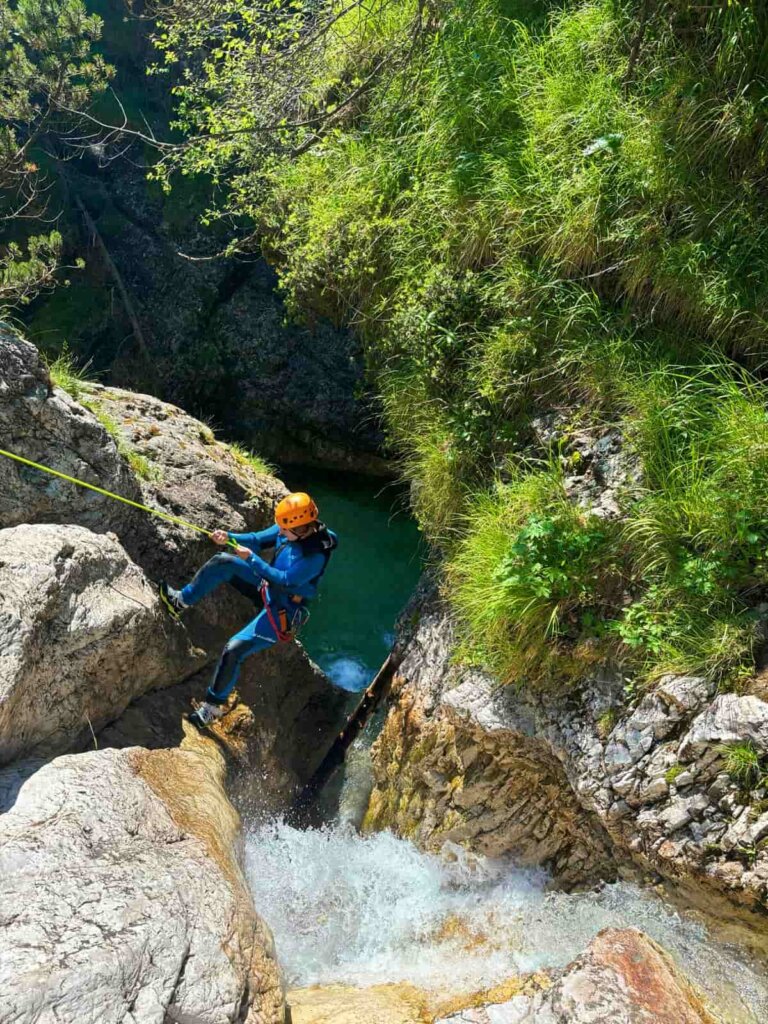
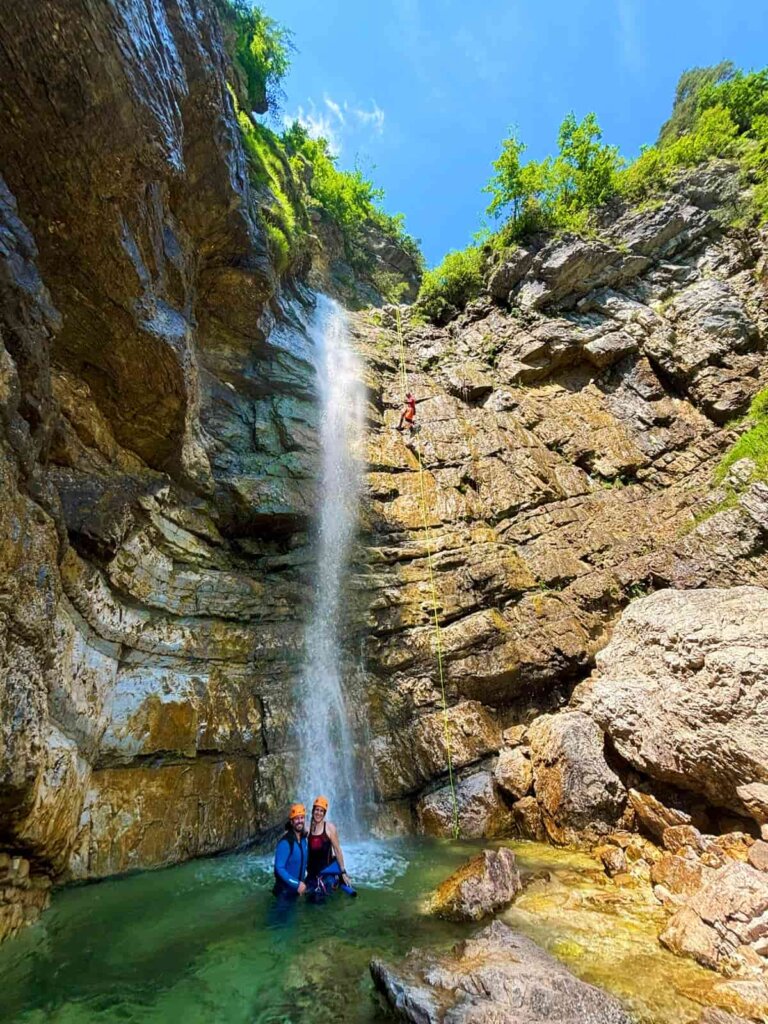
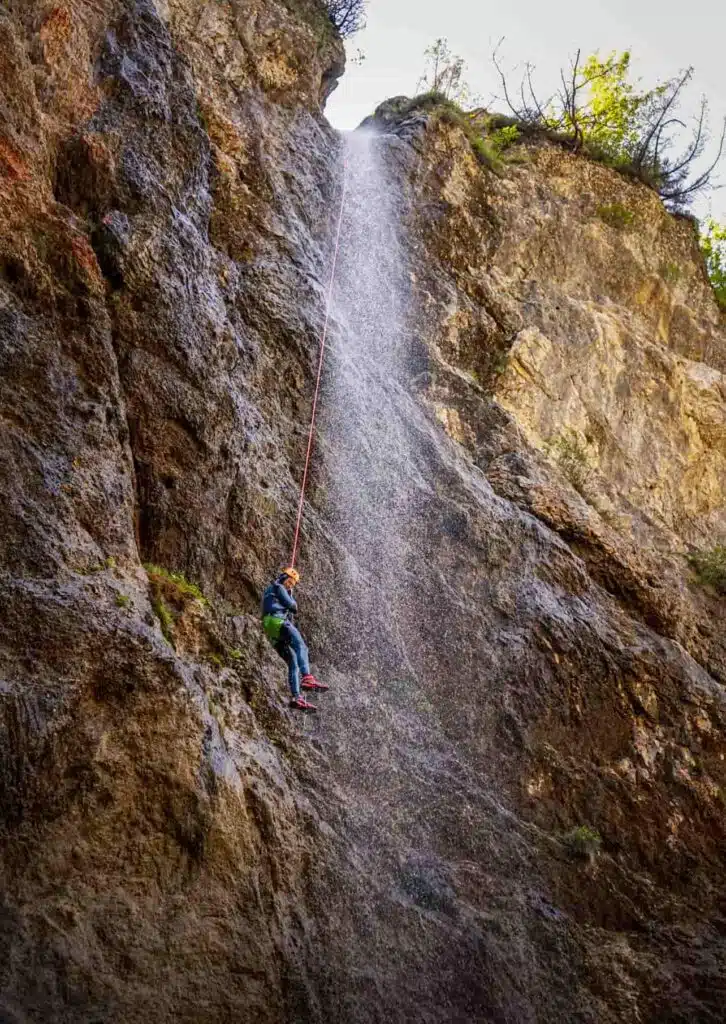
When a waterfall is too high to jump or the pool below is too shallow, you must use ropes. Wearing a harness, you will rappel (abseil) down the face of the waterfall, often with the water thundering right over you. This is often considered the most exhilarating part of what canyoning is all about.
What to Wear for Canyoning
Because canyoning takes place in mountain water which is usually cold, even in summer, thermal protection is vital.
- Swimwear: You need to wear a swimsuit or swimming shorts under your wetsuit.
- Wetsuit: This is non-negotiable. You will wear a thick (usually 5mm to 7mm) neoprene wetsuit designed specifically for canyoning. These often have reinforced knees and elbows.
- Neoprene Socks: To keep your feet warm inside your shoes.
- Neoprene Gloves: recommended in colder weather only
- Helmet: Falling stones or slipping on wet surfaces are real risks. A certified climbing helmet is essential.
What Shoes are Best for Canyoning?
This is one of the most critical aspects of safety and enjoyment. Standard running shoes or “water shoes” for the beach are not okay.
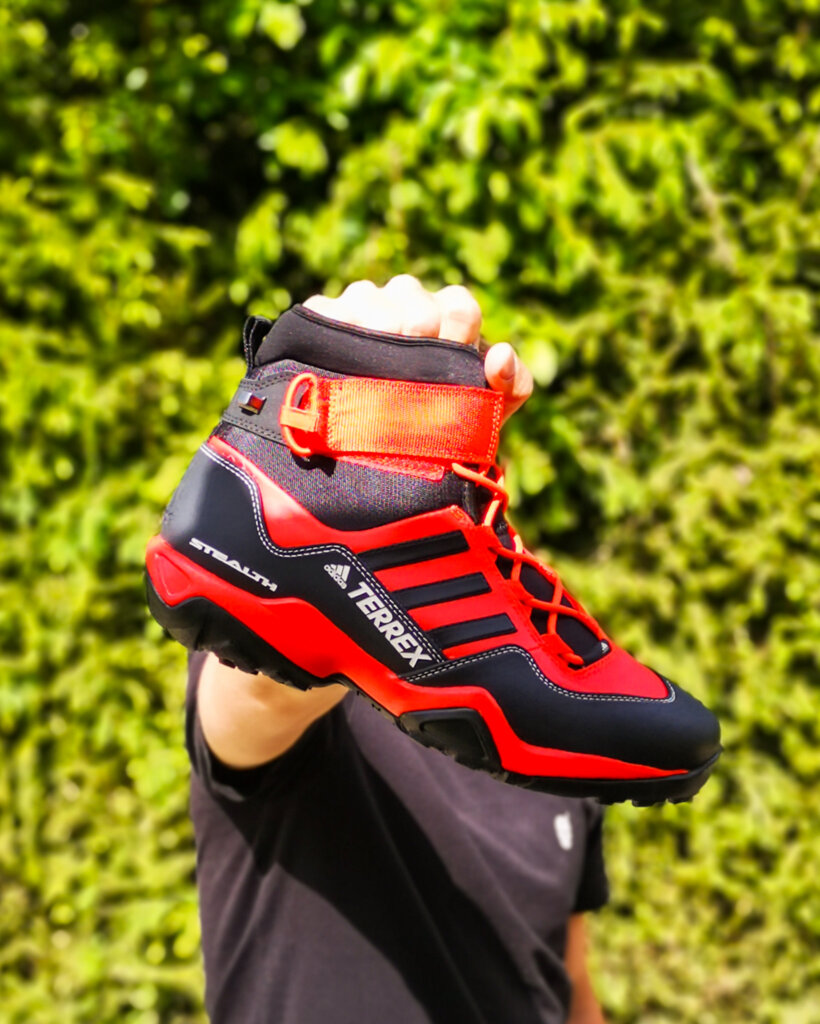
The best shoes for canyoning require two things: stiff ankle support to prevent twists on uneven rocks, and most importantly—soles made of specialized “sticky rubber” that offers grip on wet, slimy surfaces.
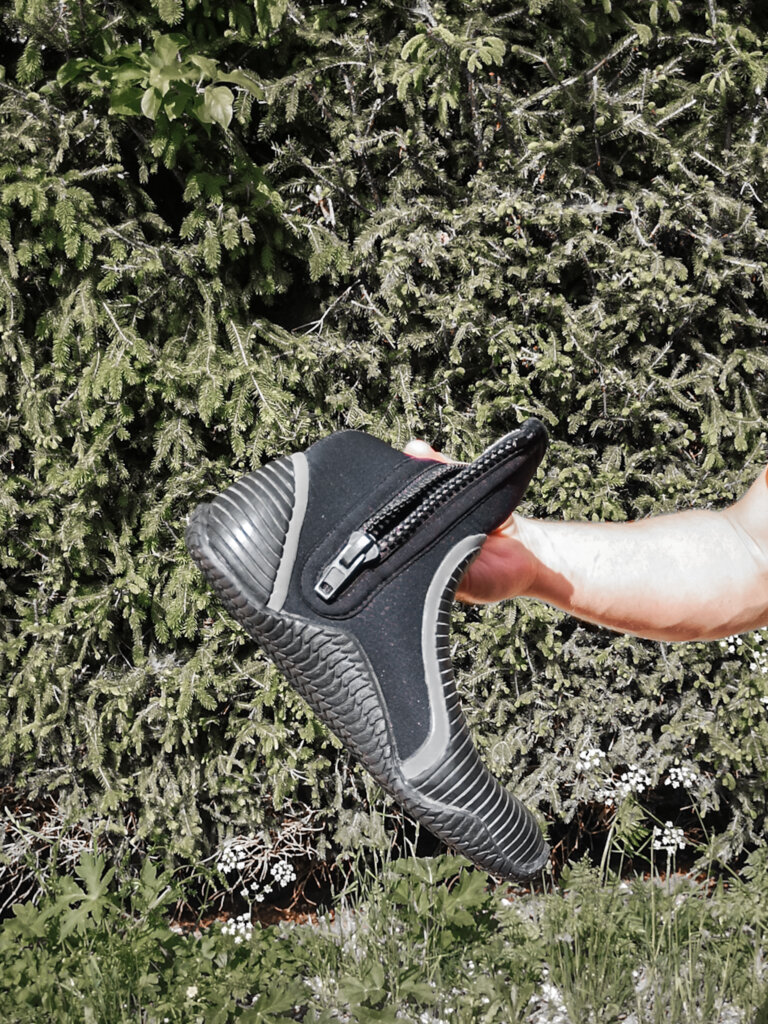
Crucial Advice for Beginners: Before booking a tour, ask your provider if they supply professional canyoning boots (brands like Adidas Terrex Hydro, Five Ten, or Bestard). If they tell you to just “bring old trainers,”, or they give you soft rafting boots, be wary. While a very sturdy pair of trail running shoes might suffice for an easy canyon, professional footwear significantly increases safety and confidence. We don’t recommend going canyoning in soft neoprene rafting boots or water shoes for the beach.
Proper Canyoning Equipment
Beyond what you wear, there is technical hardware required to navigate the descents safely. If you are going on a guided tour, this will all be provided for you.
- Canyoning Harness: Different from a climbing harness, these have a protective “seat” patch to protect your wetsuit while sliding or sitting on rough rocks.
- Descender: Usually a “Figure-of-Eight” or similar device used to control your speed while rappelling on the rope.
- Carabiners and Safety Cows-Tails: Used to clip yourself into anchors and connect your descender to your harness.
- Static or Semi-Static Ropes: Canyoning uses specialized ropes that don’t stretch much and are designed to resist water absorption and abrasion against rough edges.
Is Canyoning an Extreme Sport?
Yes and no. What is canyoning if not a spectrum of difficulty?
At its highest level, exploring unknown, high-flow canyons with massive waterfalls is absolutely an extreme sport with significant risks. However, commercial canyoning covers a wide range. An easy “family” canyon might just be walking and small slides. An intermediate canyon introduces higher jumps and rappels. It is an adventure sport that involves real risks, but these risks are managed through expertise and gear.
Is Canyoning Suitable for Beginners?
Absolutely. Most people trying canyoning for the first time have zero experience with ropes or harnesses.
Commercial tours are graded by difficulty. Beginner canyons are designed to introduce you to the techniques slowly. You do not need prior climbing or rappelling experience; professional guides will teach you everything you need to know on the spot and manage the ropes for you.
Why Do People Go Canyoning?
- To Witness Unrivaled Scenery: This is the main draw for many. The view from the bottom of a deep gorge looking up is something you simply cannot get from a hiking trail. You will see sculpted rock formations, play of light on the water, and hidden waterfalls that remain invisible to the outside world.
- Access the Inaccessible: Canyons are hidden worlds. The only way to see these incredible landscapes is by traveling through them.
- The Connection with Nature: It’s an immersive, primal experience far removed from crowded tourist spots.
- The Adrenaline Rush: The combination of jumping and rappelling provides a massive sense of achievement and thrill.
How Safe is Canyoning?
Like any outdoor adventure activity involving heights and water, canyoning has inherent risks. These include slipping on rocks, hypothermia, changing water levels (flash floods), and injuries from jumps.
However, when practiced with a reputable, certified guiding company, canyoning is statistically quite safe. Guides are trained in swift water rescue, first aid, and meteorology to ensure they only enter the canyon when conditions are stable. Safety is ensured by listening to your guide and knowing your own limits.
What is the Weight Limit for Canyoning?
This varies by operator, but it is never about the ropes “breaking” (they can hold tonnes). It is usually about two practical factors:
- Equipment fit: Harnesses and wetsuits only go up to certain sizes.
- Fitness and Agility: You must be able to hike to the beginning of the canyon or out of it, as well as make your way down the slippery boulder garden sections of the canyon.
Generally, the limit for most commercial operators is around 110kg to 130kg (242 – 285 lbs), but always check with your specific provider beforehand.
What to Know Before Canyoning?
Before you book your trip, ensure you meet these basic requirements:
- You Must Be Able to Swim: You don’t need to be an Olympic swimmer, but you must be comfortable floating and moving in deep water.
- Acrophobia (Fear of Heights): If you have a paralyzing fear of heights, canyoning might be too intense. However, many beginner tours offer “chicken routes” around the highest jumps.
- Medical Conditions: Be honest with your guides about any heart conditions, previous injuries, or asthma.
What is the Hardest Part of Canyoning?
Surprisingly, it’s usually mental, not physical.
For most people, the hardest part is the psychological commitment required to jump. Standing on a ledge looking down 7 meters into a small pool requires overcoming a natural instinct. The second hardest part for beginners is often the initial moment of leaning back over the edge of a waterfall to begin a rappel, trusting the harness and rope completely.
Environmental Impact: Keeping the Canyons Wild
While canyoning is a way to connect with nature, it is important to remember that canyons are often fragile, isolated ecosystems. Because they are difficult to access, the mosses, aquatic life, and rock formations found inside have remained undisturbed for millennia.
When humans enter these environments, we leave a footprint. Walking on delicate riverbeds, disturbing nesting birds, or wearing gear that hasn’t been properly cleaned can damage the ecosystem or spread invasive algae between rivers.
This is why choosing the right provider matters. A knowledgeable and responsible canyoning operator does more than just keep you safe; they practice low-impact canyoning.
- Path Selection: Experienced guides know exactly where to walk to avoid destroying sensitive moss beds and river banks.
- Gear Hygiene: Professional centers rigorously disinfect their wetsuits and boots with eco-friendly products to ensure invasive species or bacteria are not transferred from one canyon to another.
- Respect for Wildlife: Good guides know the local breeding seasons and will avoid specific sections of the river when fish or birds are nesting.
By choosing a reputable provider, you ensure that these incredible places remain pristine for future generations to explore.
Best Canyoning Destinations in the World
If you are now asking “what is the best place to do canyoning” there are incredible spots globally, but one region stands above the rest for variety, color, and accessibility.
The Winner: Bovec, Soča Valley, Slovenia
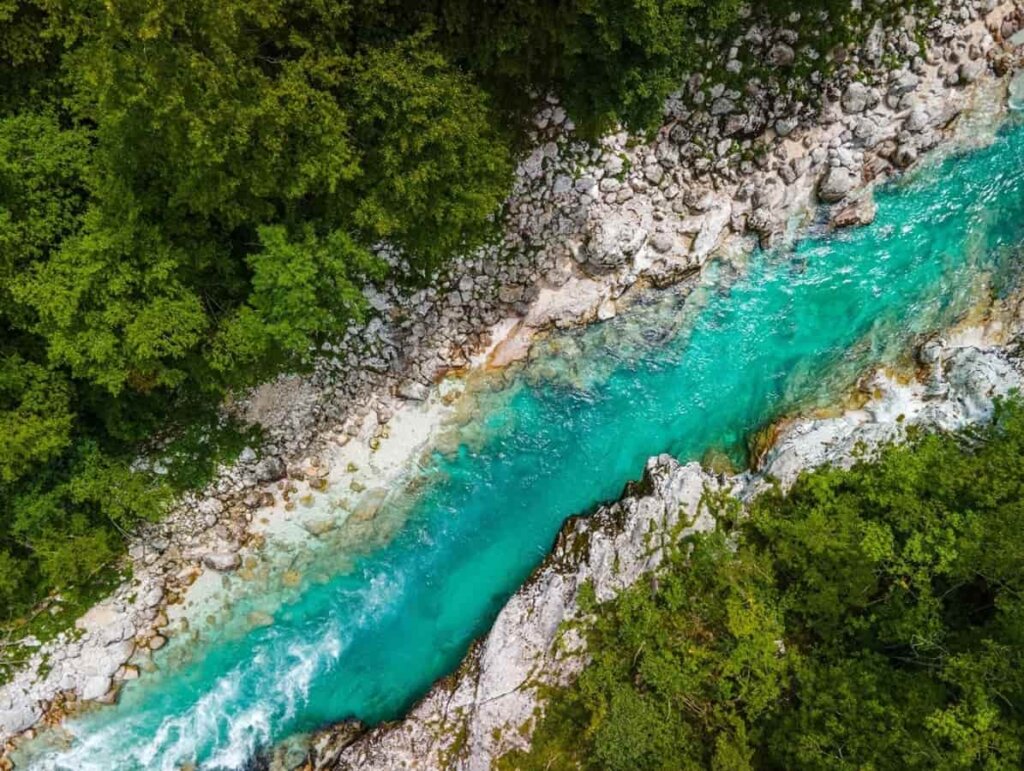
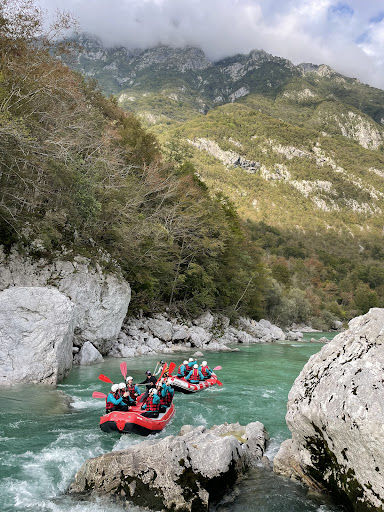
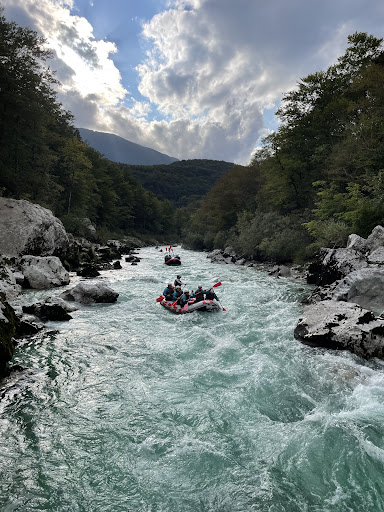
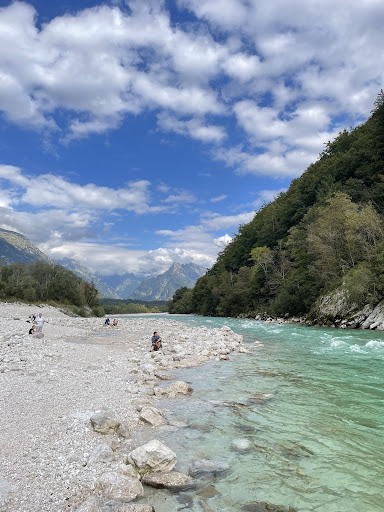
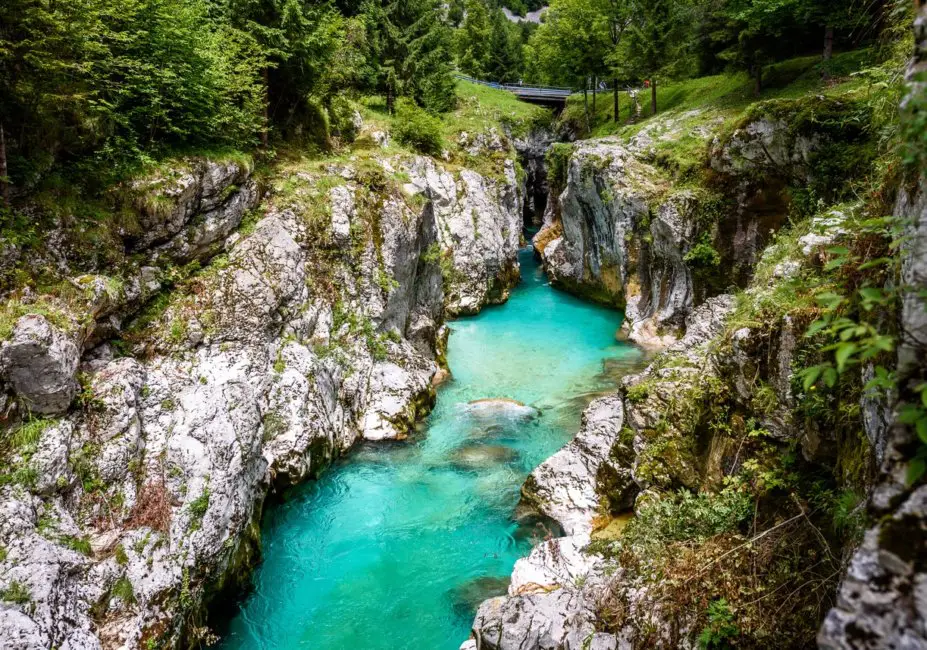
Nestled in the Julian Alps, the Soča Valley – home of the emerald Soča river is widely considered the European, if not world, capital of aesthetic canyoning. The water here is legendary for its unbelievable turquoise color and drinkable clarity. Bovec offers a dense concentration of canyons ranging from fun water parks with smooth limestone slides to vertical challenges.
If you want to experience the very best of what canyoning is, you need to visit this place. Canyoning tours for every level can be found in Bovec.
- The Natural Water Park (Beginner Fun): The perfect introduction. It’s almost entirely about fun slides and easy jumps, with no mandatory rappelling. Great for families and first-timers.
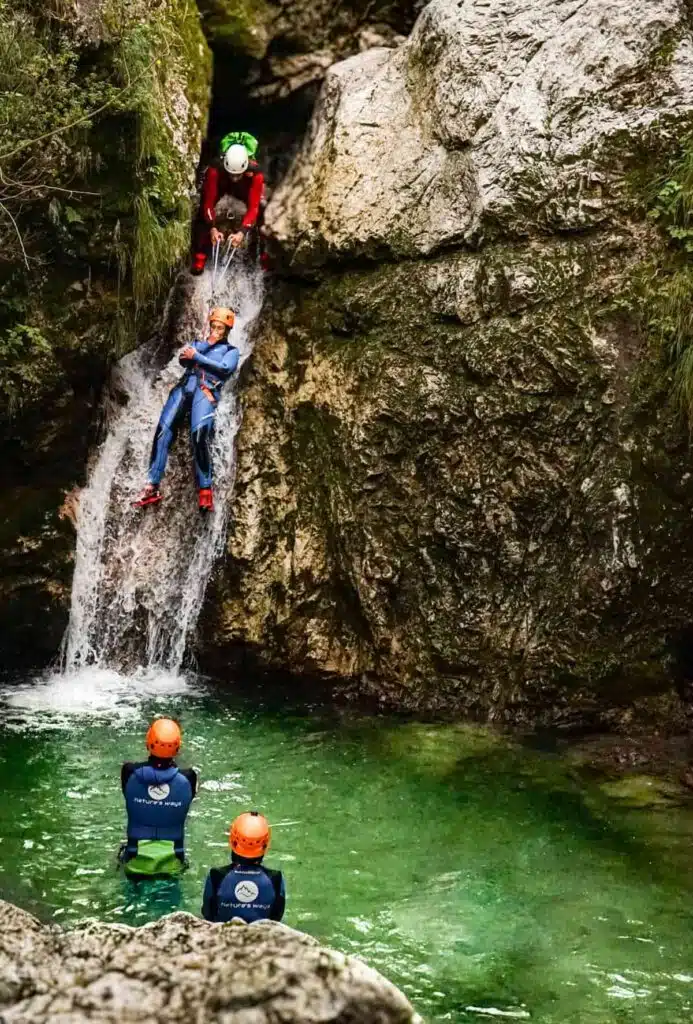
- The Adrenaline Pumper (Intermediate): This is the real deal. It features a stunning 45-meter waterfall (Parabola) that you rappel down. It’s physically more demanding and visually spectacular.
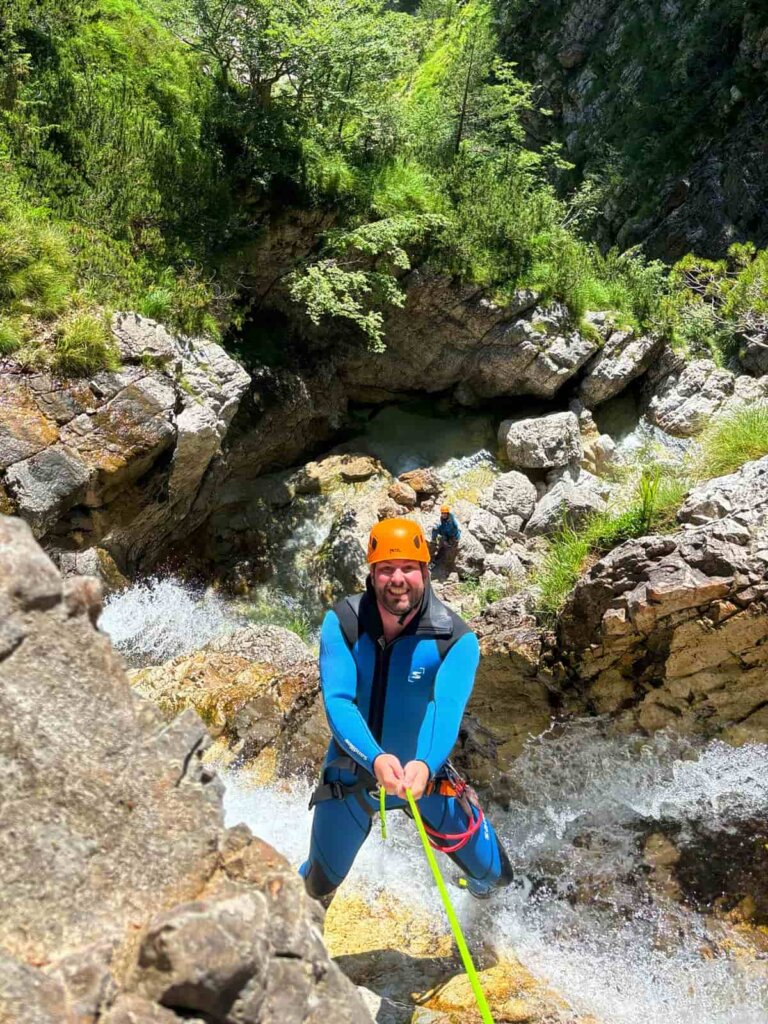
- The Vertical Challenge (Advanced): For those seeking a long, demanding day in a wild environment, Predelica canyon in the Soča valley offers numerous technical rappels and a truly remote feel.
Choosing the Right Guide For Canyoning in Bovec
Because Bovec is so popular, there are many canyoning providers. Prices and quality can vary a lot. The cheapest option often means big crowds and old gear.
For the best experience, look for quality, small groups and low impact tours. Trusted canyoning providers like Nature’s Ways Bovec focus on small groups and top safety standards to make sure your canyoning tour is not something you might later regret.
Runner Up 1: Sierra de Guara, Spain
Often cited as the birthplace of modern canyoning in Europe, this region in the Pyrenees offers hundreds of canyons carved into warm limestone. It is famous for turquoise water, long swimming sections, and generally warmer temperatures than the Alps.
Runner Up 2: The Blue Mountains, Australia
For a completely different vibe, the Blue Mountains offer rugged, ancient sandstone canyons. The descents here are often drier, involving spectacular rappels into deep, dark chasms surrounded by eucalyptus forests. It’s a prehistoric, wild experience.


 Google
 TripAdvisor